


Every Pakistani family knows the feeling. The electricity goes out. The fans stop. The temperature in the room climbs within minutes. And if it is summer — which in Pakistan means eight or more hours of load shedding in the peak heat — that familiar combination of heat, frustration, and fatigue sets in fast.
What many families do not realise is that load shedding does not just make you uncomfortable. It actively disrupts your access to clean, safe drinking water in ways that are easy to overlook — and potentially serious.
This guide explains exactly how load shedding affects your family’s water supply, what risks to watch for, and the practical steps that ensure your family always has clean water regardless of how long the power stays off.
How Load Shedding Affects Your Water Supply
Most Pakistani families do not connect the electricity outage to their water quality. But the link is direct and important.
Electric water pumps stop working The majority of homes in Islamabad and Rawalpindi rely on electric pumps to move water from underground storage tanks to rooftop tanks and from there through the building’s plumbing. When the power goes out, these pumps stop.
During extended load shedding — 6 to 12 hours or more — the rooftop tank gradually depletes as water is used. When it runs out, you have no running water at all. For families who experience this regularly, the solution is often to reduce water use during outages, which frequently means less drinking water consumed by the whole family.
Water filters stop working Electric water filters — including reverse osmosis systems which are common in Islamabad homes — require power to operate. During load shedding, your water filter is not running. Families that depend on filtered water for drinking have no filtered water option during power outages.
Stored water in tanks gets warm Rooftop water tanks in Pakistan are exposed to direct sunlight and heat. During summer load shedding, when temperatures are at their highest, water sitting in tanks can reach temperatures of 35 to 45°C — creating ideal conditions for bacterial growth.
Warm, stagnant water in a rooftop tank during an 8-hour summer power outage is a genuine hygiene concern — particularly for families with young children who may drink directly from taps.
UPS and generator systems do not always cover water pumps Many Pakistani families have UPS systems for fans, lights, and phone charging. But water pump motors typically require more power than a standard home UPS can supply. This means even families with backup power often still lose their water pump during outages.
The Hidden Dehydration Risk of Load Shedding
Here is what makes load shedding and dehydration such a dangerous combination in Pakistani summers.
When the power goes out in summer, the heat increases immediately. Fans stop. Air conditioning stops. Your body starts sweating more to regulate temperature — losing water and electrolytes faster than in a cool environment.
At the same time, your access to clean, cold, palatable drinking water often decreases. People drink less when water is warm and comes from an uncertain source. Children in particular will reject warm, flat-tasting tap water and not replace those fluids with anything else.
The result is a perfect storm: maximum water loss through sweat, minimum water intake due to reduced access and appeal — and a family that is significantly more dehydrated at the end of a long load shedding day than they would otherwise be.
The Real Solution — Water That Does Not Depend on Electricity
The fundamental problem with tap water, filtered water, and pumped water is that all of them depend on electricity to be available and clean. Take the electricity away and you lose part of the system.
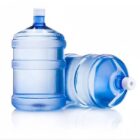
Pre-delivered 19-litre mineral water bottles have no electricity dependency whatsoever.
A sealed, full 19-litre bottle sitting in your home is available instantly — at 2am during a power outage, at 3pm during the hottest part of a summer load shedding day, during a week of extended outages when your UPS has long since drained. It is clean, sealed, and requires nothing but gravity to dispense.
This is why mineral water home delivery has become increasingly popular among Islamabad families specifically during load shedding season. It is reliable in a way that no electricity-dependent water system can match.
Practical Load Shedding Hydration Plan for Pakistani Families
Before load shedding begins: Keep a minimum of 2 full 19-litre bottles in your home at all times during summer. One bottle actively in use on your dispenser, one full bottle in reserve. This gives your family 38 litres of clean water — enough for a family of four for approximately 4 to 5 days of drinking needs even if all other water access is disrupted.
During a power outage: Use your mineral water for drinking and for making tea or cold drinks. Reserve tap water (if available) for washing and cooking where the water will be heated.
Keep water cool: Without electricity, your dispenser’s cooling function stops. Keep your mineral water bottle away from direct sunlight and in the coolest room in the house. A bottle stored in a cool interior room will stay significantly cooler than one sitting in a kitchen with sunlight.
Increase your family’s water intake: During heat stress from load shedding, actively encourage everyone — especially children and elderly family members — to drink more water than they think they need. Set a family rule: one glass of water every hour during load shedding regardless of whether anyone feels thirsty.
Watch children carefully: Children stop playing and become irritable when dehydrated. In load shedding conditions, they may be too distracted or too hot to voluntarily drink enough. Offer water proactively rather than waiting for them to ask.
How Many Bottles Does Your Family Need for Load Shedding Season?
A useful rule for Pakistani families during peak summer load shedding season:
For a family of four:
- Normal daily requirement: 8 litres per day (2 litres per adult)
- Load shedding summer requirement: 10 to 12 litres per day (increased due to sweating)
- Monthly requirement: approximately 8 to 10 nineteen-litre bottles
We recommend ordering at least 2 extra bottles per month during summer compared to your normal consumption — giving you a comfortable buffer that ensures you never run low during an extended outage period.
A Subscription That Keeps Your Family Covered All Summer
With a Dew Drops Fresh monthly subscription, your mineral water arrives automatically on a schedule you choose. No need to remember to order. No risk of running out during a difficult week of extended load shedding.
We deliver free across all Islamabad sectors and Rawalpindi. Our same-day delivery service means that even if you unexpectedly run low, a WhatsApp message in the morning gets a bottle to your door the same day.
Set up your load shedding water supply today: WhatsApp: +92 310 556 9289 Email: info@dewdropsfresh.com Website: dewdropsfresh.com


Best Water Dispenser for Home in Pakistan — Complete Buying Guide
[…] How to Keep Your Dispenser Clean and Hygienic […]