
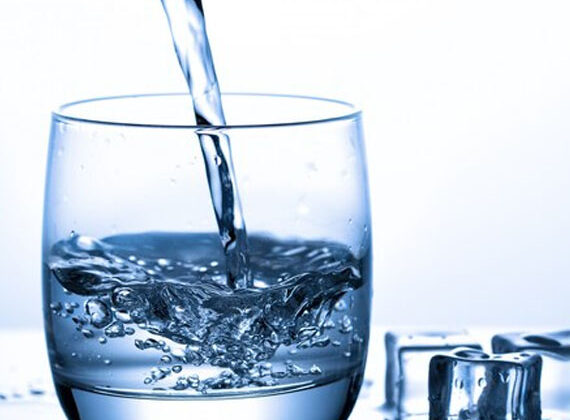

Mineral Water vs Filtered Water, It is one of the most common household decisions in Pakistan right now. Do you invest in a reverse osmosis filter system — spending Rs 25,000 to Rs 50,000 upfront plus ongoing maintenance — or do you switch to mineral water home delivery and pay per bottle?
Most Pakistani families make this decision based on price alone. They install an RO filter because it seems cheaper long-term, then never question whether the water it produces is actually healthier than what they switched from.
The reality is more complex — and more important for your family’s health — than the price comparison suggests. This is the complete, honest comparison.
What Is Filtered Water?
Filtered water is water that has been processed to remove impurities. The type of filter used determines what is removed — and crucially, what is not.
Activated Carbon Filters Remove chlorine, volatile organic compounds, and improve taste and odour. Do not remove dissolved minerals, heavy metals, bacteria, or nitrates. Mineral content is largely preserved.
Reverse Osmosis (RO) Filters The most common household filtration technology in Pakistan. Uses pressure to force water through a semi-permeable membrane with pores small enough to block most dissolved particles.
What RO removes: bacteria, viruses, heavy metals, nitrates, pesticides, chlorine, and most dissolved minerals.
What this means for health: RO produces very clean water with TDS typically below 20 mg/l — but it also removes up to 95% of the calcium, magnesium, potassium, and other beneficial minerals that make water nutritionally valuable.
Source: Water Quality Association — Reverse Osmosis Explained: wqa.org
What Is Mineral Water?
Mineral water is water that contains a defined, consistent concentration of dissolved minerals — either naturally occurring from a geological source or carefully added back after multi-stage filtration.
The key characteristic of quality mineral water is consistency and transparency: the mineral profile is the same in every bottle, is published on the label, and is verified through regular batch testing.
Unlike RO-filtered water which removes minerals, mineral water retains or restores the electrolytes — calcium, magnesium, potassium, sodium, bicarbonates — that support daily health.
Source: The Spruce Eats — What Is Mineral Water and How to Use It: thespruceeats.com/what-is-mineral-water-4772011
Head-to-Head Comparison
Safety
Filtered water (RO): When the filter is functioning correctly and cartridges are replaced on schedule, RO water is very safe — effectively removing bacteria, heavy metals, and chemical contaminants.
Critical caveat: RO filter performance degrades significantly as cartridges age. Most Pakistani households replace RO cartridges far less frequently than the recommended 3 to 6 months — often every 1 to 2 years. An overdue RO membrane can harbour bacterial biofilm and actually introduce contamination into the water it is supposed to clean.
Mineral water: Professionally produced mineral water is filtered through industrial-grade multi-stage systems maintained and tested systematically. Quality is consistent regardless of when you order — not dependent on household maintenance habits.
Winner: Mineral water — for consistency of safety regardless of maintenance.
Mineral Content and Health Value
Filtered water (RO): TDS typically below 20 mg/l after filtering. Calcium content essentially zero. Magnesium, potassium, and bicarbonates virtually absent.
The WHO’s report “Nutrients in Drinking Water” explicitly notes that “demineralised water is not suitable as drinking water” and identifies long-term consumption of very low-mineral water as associated with potential adverse health effects including mineral leaching from bone.
Mineral water: Contains consistent, balanced electrolytes — calcium, magnesium, potassium, bicarbonates — at levels that actively contribute to daily nutritional requirements. Each litre of Dew Drops Fresh mineral water provides meaningful daily contributions to calcium (20 mg) and bicarbonate (80 mg) intake.
Winner: Mineral water — by a significant margin.
Source: WHO — Nutrients in Drinking Water: who.int/water_sanitation_health/dwq/nutrientsindw.pdf
True Cost of Ownership
Filtered water (RO):
- Installation: Rs 20,000 to Rs 50,000
- Cartridge replacement every 3 to 6 months: Rs 3,000 to Rs 6,000
- Annual maintenance service: Rs 2,000 to Rs 4,000
- Annual total after installation: Rs 14,000 to Rs 28,000
- Hidden cost: If cartridges are not replaced on schedule, the health value of the system drops to zero — meaning many Pakistani households are paying for a filter that is no longer effectively filtering.
Mineral water delivery:
- No installation cost
- No maintenance cost
- No cartridge replacement
- Cost per litre competitive with properly maintained RO on per-litre comparison
- Additional benefit: free delivery to your door
Winner: Comparable — but mineral water wins when the hidden maintenance cost of RO and the realistic replacement behaviour of Pakistani households is factored in.
Convenience
Filtered water (RO): Water is available directly from the kitchen tap. No ordering required. However: requires monitoring filter performance, tracking cartridge replacement dates, and scheduling maintenance.
Mineral water delivery: With a monthly subscription, water arrives automatically on a schedule. No maintenance. No equipment to monitor. Works during load shedding when electric pumps and filters stop.
Winner: Mineral water delivery — particularly for busy families who cannot reliably maintain filter schedules.
Taste
Filtered water (RO): Very clean taste — some people describe it as flat or neutral due to the absence of minerals. Taste deteriorates if cartridges are overdue.
Mineral water: Clean, fresh taste with a pleasant mineral character from bicarbonate content. Consistently the same in every bottle.
Winner: Mineral water — for consistent pleasant taste.
The Key Question Pakistani Families Should Ask
Before installing an RO filter, ask yourself honestly: will I replace the cartridges every 3 to 6 months without fail, every single time, for as long as I own this filter?
If the honest answer is not certain — because life is busy, because cartridges are sometimes hard to find, because the cost adds up — then an RO filter is not giving you the consistent health benefit you are paying for.
Mineral water home delivery has no maintenance requirement and no degrading performance. The quality of the water in bottle 1 is identical to bottle 1,000.
FAQs
Q: Is RO water harmful long term? A: The WHO notes that very low-mineral water (like RO water) is not ideal as a sole drinking water source long term, and identifies potential mineral deficiency risks. For occasional use alongside a mineral-rich diet it is safe. As the exclusive daily drinking water for a family — particularly children and elderly — the mineral absence is a genuine health consideration.
Q: Can I add minerals back to RO water? A: Yes — mineralisation cartridges are available as RO add-ons. However, they add cost, require replacement, and the resulting mineral profile is not as precisely balanced or transparently published as quality mineral water. The simpler solution is mineral water delivery.
Q: Which is better for cooking — mineral water or filtered water? A: Both are appropriate for cooking. Mineral water’s higher mineral content can subtly enhance the flavour of dishes — particularly soups, rice, and pasta. See our dedicated article on mineral water in cooking for a full breakdown.
Q: Is it better to use mineral water or filtered water for baby formula? A: Low-sodium mineral water (below 20 mg/l sodium) with appropriate mineral levels is specifically recommended for infant formula preparation by international paediatric nutrition guidelines. RO water (very low TDS) is also acceptable but provides no mineral nutritional value.
Q: What if I already have an RO filter — should I switch? A: If your RO filter is well-maintained with current cartridges, it provides safe water. Consider supplementing with mineral water for drinking and keeping filtered water for cooking. If maintenance has lapsed, switching to mineral water delivery for drinking is the straightforward solution.
References:
- WHO — Nutrients in Drinking Water: who.int/water_sanitation_health/dwq/nutrientsindw.pdf
- Water Quality Association: wqa.org
- The Spruce Eats — What Is Mineral Water: thespruceeats.com/what-is-mineral-water-4772011
- EFSA — Dietary Reference Values for Water: efsa.europa.eu/en/efsajournal/pub/1459
- NIH — Calcium Health Professional Fact Sheet: ods.od.nih.gov/factsheets/Calcium-HealthProfessional

Mineral Water Benefits in Cooking — How It Transforms Pakistani Food
[…] you drink — a health choice for your glass. But some of the most interesting applications of mineral water are in the kitchen, where its unique mineral composition produces measurable improvements in the […]
Which Mineral Water Is Good for Health? Complete Science-Backed Guide
[…] mineral water brand in Pakistan claims to be good for your health. The packaging says “pure.” The […]