
Most people think of mineral water as something you drink — a health choice for your glass. But some of the most interesting applications of mineral water are in the kitchen, where its unique mineral composition produces measurable improvements in the taste, texture, and quality of food and beverages.
This is not a wellness trend or marketing claim. It is food science — the same science that leads professional bakers in Europe and Japan to use specific mineral water formulations for their bread, and sommeliers to specify particular water profiles for their food pairings.
For Pakistani households where cooking quality matters deeply — and where water quality directly affects the taste of everything from rice to chai — understanding mineral water’s role in cooking opens a genuinely useful new dimension of your kitchen practice.
Why Water Quality Matters in Cooking
Water is an ingredient in almost everything you cook. It is absorbed by rice, pasta, and legumes. It carries flavour compounds in broths and soups. It affects the chemistry of dough and batter. It influences the extraction of compounds from tea leaves and coffee grounds.
Most Pakistani cooks give no thought to the quality of the water they cook with — it comes from the tap and goes in the pot. But the minerals, chemicals, and compounds in that water interact with food in ways that are often detectable in the final dish.
The two water quality factors most relevant to cooking are:
Mineral content: Calcium, magnesium, bicarbonates, and other minerals interact with food compounds during cooking in ways that affect flavour, texture, and colour.
Chlorine and chemical compounds: Chlorinated tap water can produce off-flavours in food — particularly in delicate dishes, tea, and baked goods — as chlorine reacts with organic compounds during heating.
Mineral water addresses both factors: it provides beneficial minerals without the chlorine and chemical variability of tap water.
Source: The Spruce Eats — What Is Mineral Water and How to Use It: thespruceeats.com/what-is-mineral-water-4772011
Mineral Water and Pakistani Chai — A Noticeable Difference
For Pakistani families, no cooking application of mineral water is more immediately impactful than chai.
Tea is one of the most chemically sensitive beverages prepared in any kitchen. The flavour compounds in tea leaves — polyphenols, theaflavins, thearubigins — are extracted differently depending on the mineral content and pH of the water used for brewing.
What mineral water does to chai:
Bicarbonates and alkalinity: The bicarbonate content of mineral water creates a mildly alkaline brewing environment that enhances the extraction of flavour compounds from tea leaves, producing a fuller, more rounded flavour with better colour development. Tea brewed with bicarbonate mineral water has a noticeably richer colour and deeper flavour than the same tea brewed with chlorinated tap water.
Calcium and tannin interaction: Calcium in water interacts with tannins in tea — this is why “hard water” (high calcium tap water) produces the film on the surface of tea that many Islamabad households notice. Quality mineral water at appropriate calcium levels (20 to 30 mg/l) produces better flavour balance — the tannin interaction is optimised rather than excessive.
Absence of chlorine: Chlorinated tap water produces subtle but detectable off-flavours in tea as chlorine compounds react with tea polyphenols at brewing temperatures. Mineral water, free from chlorine, allows the clean natural flavour of tea to come through.
Food scientists at the Tea Research Association have specifically studied how water mineral content affects tea flavour and concluded that mineral water with moderate calcium and bicarbonate content produces the superior cup compared to either distilled or heavily mineralised water.
Source: Tea Research Association — Water Quality and Tea Brewing: Referenced in food science literature on tea preparation
Rice — Texture and Flavour Transformation
Rice is the foundation of Pakistani cuisine — biryani, pulao, plain chawal, khichdi. The quality of the water used to cook rice directly affects its texture, separation, and flavour.
What happens when you cook rice in mineral water:
Better grain separation: The calcium and magnesium in mineral water interact with the pectin in rice cell walls, helping maintain grain integrity during cooking and producing better separation — the fluffy, individual grain texture that defines excellent Pakistani rice.
Cleaner flavour: Rice absorbs a significant amount of cooking water. Mineral water’s clean flavour profile — free from chlorine and with pleasant mineral character — is absorbed into the rice, producing a noticeably cleaner, purer rice flavour.
Improved colour: Biryani and pulao prepared with mineral water tend to show better colour development and saffron extraction — the bicarbonate content supports the dissolution of colour compounds from whole spices.
Bread and Baked Goods
This application is well-documented in professional baking science. The mineral content of water is so significant in bread making that professional bakers routinely adjust their water’s mineral profile for specific bread types.
Calcium and magnesium — gluten strengthening: Calcium and magnesium ions strengthen gluten structure in dough by creating cross-links between gluten proteins. Stronger gluten produces better dough elasticity, better gas retention during fermentation, and better oven spring — all contributing to superior bread texture.
Research published in Cereal Chemistry found that water with calcium in the 50 to 150 mg/l range produced significantly better bread volume and crumb structure compared to distilled water.
Bicarbonates and yeast activity: The pH of water directly affects yeast activity. Mineral water’s natural mild alkalinity from bicarbonate content creates an optimal pH environment for yeast fermentation — producing more consistent rising and better flavour development in fermented doughs.
Application for Pakistani baking: For Pakistani homes baking naan, roti dough, or any yeasted bread, the difference between mineral water and chlorinated tap water is measurable in dough handling and final texture. The absence of chlorine (which inhibits yeast activity) alone makes mineral water the better choice for any fermented dough.
Source: Cereal Chemistry — Water Quality in Breadmaking: aaccnet.onlinelibrary.wiley.com
Lentils, Legumes, and Daals — Faster Cooking, Better Texture
Pakistani cuisine is built on daals — masoor, chana, moong, urad. The cooking time and final texture of legumes is significantly affected by water mineral content.
Hard water (high calcium/magnesium) makes legumes take longer to cook. This is because calcium and magnesium ions stabilise the pectin in legume cell walls, making them more resistant to softening. Very hard tap water in parts of Islamabad can significantly extend lentil cooking times.
Mineral water at moderate calcium levels (20 to 50 mg/l) is in the optimal range — enough calcium for flavour benefit but not so much that it hardens legume cell walls excessively. The result is more predictable, appropriately textured daal without the extended cooking times associated with very hard water.
Cooking with Mineral Water — Practical Guide for Pakistani Kitchens
Best uses for mineral water in Pakistani cooking:
| Application | Benefit | Priority |
|---|---|---|
| Chai and green tea | Richer flavour, better colour | High |
| Rice (biryani, pulao, plain) | Better separation, cleaner flavour | High |
| Daal and legumes | Better texture, consistent cooking | Medium |
| Bread and naan dough | Better yeast activity, texture | Medium |
| Meat marination | Cleaner flavour absorption | Medium |
| Baby food preparation | Safety and flavour | Essential |
| Soups and broths | Cleaner base flavour | Medium |
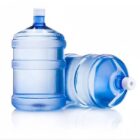
For households with a 19-litre water delivery subscription: Use your mineral water for drinking, chai, and rice. Use filtered or boiled tap water for bulk cooking of vegetables or large pots where the flavour difference is less detectable.
FAQs
Q: Does cooking with mineral water change the nutritional value of food? A: Yes, in a positive direction. Mineral water adds small but meaningful amounts of calcium, magnesium, and potassium to food during cooking — particularly to rice and legumes that absorb cooking water.
Q: Can mineral water be used in a pressure cooker? A: Yes, completely. Mineral water is safe for use in pressure cookers. The pressure cooking environment does not affect the mineral content negatively.
Q: Does boiling mineral water reduce its mineral content? A: Boiling does not destroy dissolved minerals. Calcium, magnesium, potassium, and other electrolytes remain present after boiling. The only change is that very hard water may show calcium carbonate precipitation (white scale) after prolonged boiling — this is not harmful but indicates high calcium content.
Q: Is mineral water better than filtered water for making tea? A: Yes. Multiple food science studies confirm that water with moderate mineral content — particularly bicarbonates and appropriate calcium — produces superior tea compared to demineralised filtered water. The minerals enhance flavour extraction and improve colour.
Q: Is cooking with mineral water expensive? A: For the highest-impact applications (chai, rice, baby food), the quantity used is modest. A family using 19-litre bottles for drinking typically has sufficient mineral water for these cooking uses within their existing delivery. The per-litre cost on a monthly subscription is economical enough to extend to cooking applications.
References:
- The Spruce Eats — What Is Mineral Water and How to Use It: thespruceeats.com/what-is-mineral-water-4772011
- Cereal Chemistry — Water Quality in Bread Making: aaccnet.onlinelibrary.wiley.com
- WHO — Nutrients in Drinking Water: who.int/water_sanitation_health/dwq/nutrientsindw.pdf
- Journal of Food Science — Water Mineral Content and Food Quality: ift.onlinelibrary.wiley.com
- Tea Research Association — Water Quality and Tea Brewing: Referenced in international food science literatur