
It happens to almost every Pakistani family every single summer. The temperature climbs past 38°C. The fans are running. Everyone feels tired, irritable, and sluggish by mid-afternoon. The first instinct is to blame the heat — but the real culprit is almost always the same thing.
Dehydration.
Not the dramatic, collapse-on-the-street kind. The quiet, creeping kind that builds through the day without you realising it — draining your energy, clouding your thinking, and making everything feel harder than it should.
The good news? It is completely preventable. And it starts with understanding exactly how much water your body actually needs when Pakistani summers hit their peak.
Why Pakistani Summers Are Different
Pakistan sits in one of the harshest climate zones in Asia. Islamabad summers regularly hit 38 to 42°C. Lahore, Karachi, and Multan push past 45°C. Humidity in coastal cities makes heat feel even more intense.
In these conditions, the human body loses water at a rate that most people dramatically underestimate. On a hot day in Islamabad, an average adult can lose 1 to 1.5 litres of water per hour through sweat alone during outdoor activity — and even indoors, air conditioning causes significant moisture loss through the skin and respiratory system.
The standard international recommendation of 8 glasses (2 litres) per day was designed for temperate climates. For Pakistan’s summer, it is simply not enough.
How Much Water Do You Actually Need in Pakistani Summer?
Here is a practical guide based on activity level and temperature:
At home — moderate activity (35–40°C) Adults: 3 to 3.5 litres per day Children aged 6 to 12: 1.5 to 2 litres per day Elderly: 2.5 to 3 litres per day (older adults have a reduced sense of thirst — they need reminders)
Working outdoors or commuting (38–43°C) Adults: 4 to 5 litres per day Manual workers: Up to 6 litres in peak heat hours
Office environment with air conditioning Adults: 2.5 to 3 litres per day Note: Air conditioning removes humidity from the air, which increases moisture loss through breathing — most office workers underestimate how dehydrated they become in air-conditioned environments
During Ramadan fasting in summer Adults: Minimum 3 litres between iftar and sehri Focus hydration at sehri — the water you drink at pre-dawn meal needs to last through the entire fasting day
Signs You Are Dehydrated Right Now (Without Knowing It)
This is the part most people find surprising. By the time you feel thirsty, you are already mildly dehydrated. Thirst is a late signal — your body’s last resort warning, not an early indicator.
Watch for these earlier signs instead:
Morning signs: Dark yellow or orange urine first thing in the morning is the most reliable indicator of dehydration. Healthy hydration produces pale yellow urine. Dark urine means your body was short on water overnight.
Afternoon energy crash: That familiar 2pm to 4pm energy slump that hits so many Pakistani office workers and students? Research consistently shows that mild dehydration (losing just 1 to 2% of body water) causes fatigue, difficulty concentrating, and reduced reaction time. Most people reach for tea or coffee — which actually worsens dehydration through caffeine’s mild diuretic effect.
Headaches: The brain sits in a protective cushion of fluid. When that fluid level drops even slightly due to dehydration, pressure changes cause headaches. If you experience regular headaches in summer afternoons, dehydration is almost certainly a contributing factor.
Dry lips and skin: Your body prioritises water for vital organs first. Skin and lips show dehydration visibly before internal organs are stressed.
Irritability and mood changes: Multiple studies confirm that even mild dehydration significantly affects mood — increasing feelings of anxiety, irritability, and fatigue. The short-tempered feeling many people notice in summer heat is partly dehydration affecting brain chemistry.
Why Mineral Water Hydrates Better Than Plain Water in Summer
Here is something most people do not know. Plain water — whether from a filter or a regular bottle — hydrates you less efficiently than mineral water in hot conditions.
The reason is electrolytes.
When you sweat, you lose not just water but also sodium, potassium, magnesium, and calcium — the electrolytes that regulate how your cells absorb and retain water. When you drink plain water to replace what you lost, your body absorbs it less efficiently because the electrolyte balance that drives cellular water absorption is disrupted.
This is why athletes drink electrolyte drinks rather than plain water during exercise. The same principle applies to anyone sweating through a Pakistani summer.
Mineral water provides these electrolytes naturally — calcium, magnesium, potassium, sodium, and bicarbonates — with every glass. Your body absorbs it more efficiently and retains hydration longer than with plain water. The result is that you stay hydrated for longer, recover faster after being in the heat, and maintain energy levels more consistently through the hottest parts of the day.
A Simple Daily Hydration Schedule for Pakistani Summers
Drinking the right amount is easier when you spread it across the day rather than trying to catch up in the evening:
7:00 AM — Wake up: 2 glasses of mineral water immediately after waking. Your body loses water overnight through breathing. Starting with water before tea or breakfast sets a positive hydration foundation for the day.
9:00 AM: 1 glass with or after breakfast
11:00 AM: 1 to 2 glasses — most people skip this and feel the afternoon crash as a result
1:00 PM: 1 to 2 glasses with lunch. Eating also increases water needs as digestion requires fluid.
3:00 PM: 1 to 2 glasses — this is the critical window. Drinking at 3pm prevents the afternoon energy crash that hits at 4pm.
5:00 PM: 1 glass
7:00 PM: 1 to 2 glasses with dinner
9:00 PM: 1 glass before sleep. Your body continues losing water overnight.
Total: 10 to 12 glasses (2.5 to 3 litres) — the right target for an adult in Islamabad summer
Hydration Tips for the Whole Family
For children: Children do not regulate body temperature as efficiently as adults and are more vulnerable to heat exhaustion. Make water visible and accessible — a full glass on the breakfast table, a water bottle in their school bag, and a glass with every meal. Children who develop the habit of drinking water at regular intervals stay healthier and perform better academically.
For elderly family members: The sense of thirst diminishes with age. Elderly parents and grandparents may genuinely not feel thirsty even when significantly dehydrated. Set reminders, offer water proactively throughout the day, and ensure they drink at least 2 to 3 glasses before any outdoor activity.
For pregnant women: Pregnancy increases water requirements significantly. Pregnant women in Pakistani summer need a minimum of 3 to 3.5 litres per day — and mineral water’s calcium and magnesium content also directly supports foetal development.
Never Run Out of Water This Summer
The simplest way to ensure your family drinks enough water every day this summer is to make clean mineral water always available, always accessible, and always ready.
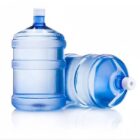
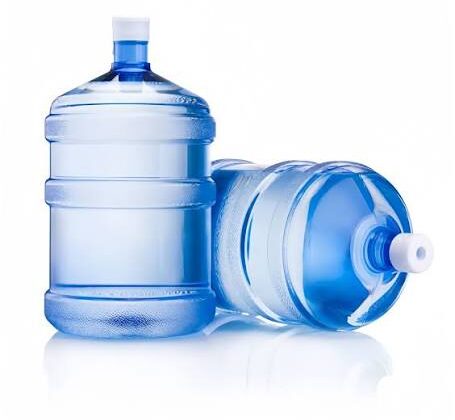
A Dew Drops Fresh monthly subscription delivers fresh 19-litre mineral water bottles to your door on a schedule that means you never run out — even during the hottest weeks of the year. Free delivery. No shopping trips. No carrying heavy bottles. Just pure mineral water ready whenever your family needs it.
Order your summer supply today: WhatsApp: +92 310 556 9289 Email: info@dewdropsfresh.com Website: dewdropsfresh.com
Free delivery across all Islamabad sectors and Rawalpindi — same-day available