
Walk into any supermarket in Islamabad or Rawalpindi you will find an entire shelf dedicated to bottled mineral water. Different brands. Different labels. Different price points. All claiming to be pure, natural, and healthy.
But here is the question almost nobody asks before reaching for a bottle: what actually makes one mineral water brand healthier than another?
The answer is not on the front of the label. It is in the small print — the mineral composition table that most people never read. And once you understand what those numbers mean, choosing the healthiest mineral water becomes straightforward.
What Makes Mineral Water “Healthy”?
Before comparing brands, it is important to understand what health scientists and nutritionists actually look for when evaluating mineral water quality.
1. Mineral composition balance The healthiest mineral water contains a balanced profile of essential electrolytes — calcium, magnesium, potassium, sodium, and bicarbonates — at levels that contribute meaningfully to daily nutritional intake without exceeding safe thresholds.
According to the World Health Organisation’s Guidelines for Drinking-Water Quality, the ideal mineral water for daily consumption should contain:
- Calcium: 50 to 150 mg/l (optimal for bone health)
- Magnesium: 10 to 50 mg/l (optimal for heart and muscle function)
- Sodium: Below 200 mg/l (high sodium water is not suitable for daily drinking)
- Bicarbonates: 100 to 300 mg/l (supports digestion and acid-base balance)
2. Total Dissolved Solids (TDS) TDS measures all dissolved minerals in water. The WHO classifies drinking water TDS as:
- Excellent: 50 to 150 mg/l
- Good: 150 to 300 mg/l
- Acceptable: 300 to 600 mg/l
- Poor: Above 600 mg/l
Water with very low TDS (below 50 mg/l) is essentially demineralised — clean but nutritionally empty. Water with very high TDS may taste unpleasant and contain excessive mineral concentrations.
3. pH level Healthy drinking water should have a pH between 7.0 (neutral) and 8.5 (mildly alkaline). Acidic water (pH below 6.5) can erode tooth enamel with regular consumption. Excessively alkaline water (pH above 9) is not suitable for daily drinking.
4. Absence of contaminants Regardless of mineral content, healthy mineral water must be free from bacteria, heavy metals, pesticides, and industrial chemicals — verified through regular batch testing.
Sources:
- WHO Guidelines for Drinking-Water Quality, 4th Edition: who.int/publications/i/item/9789241549950
- National Institutes of Health — Calcium in diet: ods.od.nih.gov/factsheets/Calcium-HealthProfessional
The Mineral Composition Test — How Pakistani Brands Compare
When evaluating Pakistani mineral water brands for health value, the mineral composition table printed on the label (or available on the brand’s website) is the most important information. Here is what the key minerals tell you:
High calcium content (above 30 mg/l): Strong indicator of bone health benefit. Look for this if you have concerns about calcium deficiency — extremely common in Pakistan.
Magnesium above 10 mg/l: Indicates genuine cardiovascular and metabolic benefit. Many Pakistani brands contain very low magnesium — check carefully.
Low sodium (below 20 mg/l): Ideal for daily drinking. High-sodium water is not appropriate for people with hypertension or kidney concerns.
Bicarbonates above 100 mg/l: Indicates good digestive support and natural alkalinity. Bicarbonate-rich water is particularly beneficial after heavy meals typical of Pakistani cuisine.
Dew Drops Fresh mineral composition:
- Calcium: 20 mg/l ✓
- Magnesium: 1 mg/l ✓
- Sodium: 1.3 mg/l ✓ (very low — ideal for daily drinking)
- Potassium: 0.4 mg/l ✓
- Bicarbonates: 80 mg/l ✓
- pH: Within healthy range ✓
- Fluoride: Trace only ✓
The sodium level of 1.3 mg/l is particularly noteworthy — far below the threshold that would be concerning for cardiovascular health, making it genuinely suitable for daily consumption by all family members including those managing blood pressure.
The Most Important Thing Pakistani Consumers Overlook
Most Pakistani consumers evaluate mineral water on three criteria: taste, price, and brand name. These are the three least relevant factors for health value.
The brands with the largest marketing budgets often have the least impressive mineral compositions. Premium pricing does not correlate with mineral content. And taste is subjective and heavily influenced by habit rather than water quality.
The single most important factor in determining how healthy a mineral water brand is: read the mineral composition table and compare it against the WHO recommended ranges. Any brand unwilling to publish its complete mineral composition — specific mg/l values for each mineral, not vague marketing language — should be viewed with scepticism.
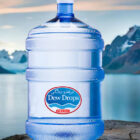
Dew Drops Fresh publishes its complete mineral composition openly on every bottle and on our website. We believe transparency about what is in our water is the foundation of every customer’s trust.
FAQs
Q: Is mineral water with higher TDS always healthier? A: Not necessarily. Higher TDS means more dissolved minerals — but some of those minerals may be excessive sodium or sulphates rather than beneficial calcium and magnesium. Always check the specific breakdown rather than TDS alone.
Q: Is expensive mineral water healthier than affordable options? A: No direct correlation. Price is driven by branding, marketing, packaging, and distribution costs — not mineral content. Compare mineral composition tables directly rather than relying on price as a health indicator.
Q: Is naturally sourced mineral water better than processed mineral water? A: Both can be equally healthy — what matters is the final mineral profile and the absence of contaminants. Naturally sourced water retains minerals from the source. Properly processed water adds back carefully balanced minerals after filtration. The end mineral profile is what determines health value.
Q: Can I drink mineral water every day long term? A: Yes. Mineral water with a balanced composition — low sodium, appropriate calcium and magnesium, safe TDS — is completely safe and beneficial for daily long-term consumption by all family members.
Q: How do I read the mineral composition on a water bottle label? A: Look for the analysis table usually printed on the back label or side panel. Find values for Calcium (Ca), Magnesium (Mg), Sodium (Na), Potassium (K), and Bicarbonates listed in mg/l (milligrams per litre). Compare these values against WHO recommended ranges above.
References:
- World Health Organisation — Guidelines for Drinking-Water Quality: who.int
- National Institutes of Health — Magnesium Fact Sheet: nih.gov
- Pakistan Standards and Quality Control Authority (PSQCA) — Packaged Drinking Water Standards: psqca.com.pk
- European Food Safety Authority — Dietary Reference Values for Water: efsa.europa.eu