

Most people assume all clean water is the same. As long as it is clear, tasteless, and does not make you sick, water is water.
This assumption costs millions of Pakistani families the health benefits they could be receiving every single day — simply because they never learned what actually distinguishes excellent drinking water from merely acceptable water.
Water science has advanced significantly over the past two decades. We now know with considerable precision what qualities define the best drinking water for human health. Here are the five qualities that separate exceptional drinking water from the rest — each backed by published research and international health guidelines.
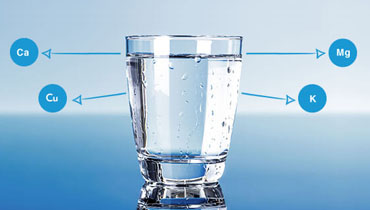
Quality 1 — Optimal Mineral Composition
The first and most important quality of the best drinking water is its mineral content. Water is not just a hydration vehicle — it is a delivery mechanism for essential electrolytes that the human body cannot produce on its own.
The best drinking water contains:
Calcium (50 to 150 mg/l): The primary structural mineral in bones and teeth, also essential for muscle contraction and nerve function. The WHO specifically recommends calcium-containing drinking water as a meaningful contributor to daily calcium intake, particularly in populations where dairy consumption is low.
Magnesium (10 to 50 mg/l): Essential for over 300 enzymatic reactions. The European Food Safety Authority’s dietary reference values identify magnesium in drinking water as a bioavailable and important source of this commonly deficient mineral.
Potassium (1 to 10 mg/l): Works with sodium to regulate blood pressure and fluid balance. Particularly important in Pakistan where dietary sodium intake is high.
Bicarbonates (100 to 300 mg/l): Support the body’s pH balance and digestive health. Naturally alkaline water with high bicarbonate content is associated with improved digestive comfort and reduced acid-related symptoms.
Low sodium (below 20 mg/l): The best daily drinking water has low sodium — high-sodium water consumed in large daily volumes contributes to cardiovascular stress over time.
Source: WHO Guidelines for Drinking-Water Quality — who.int
Quality 2 — Appropriate TDS Level (150 to 300 mg/l)
Total Dissolved Solids (TDS) is a measure of all minerals, salts, and other dissolved particles in water. It is one of the most commonly misunderstood water quality parameters.
The best drinking water has a TDS in the range of 150 to 300 mg/l — high enough to contain beneficial minerals, but low enough to be pleasant tasting and appropriate for kidney health.
Too low TDS (below 50 mg/l): Essentially demineralised water. Clean but nutritionally empty. Some research suggests that very long-term consumption of very low-mineral water may leach minerals from the body. The WHO notes that “demineralised water is not suitable as drinking water.”
Ideal TDS (150 to 300 mg/l): Contains beneficial minerals at appropriate concentrations. Pleasant tasting. Appropriate for all ages including infants.
High TDS (above 500 mg/l): May indicate excessive sodium, sulphates, or nitrates. Can taste unpleasant. Not appropriate for people with kidney concerns without medical guidance.
Source: WHO — Nutrients in Drinking Water: who.int/water_sanitation_health/dwq/nutrientsindw.pdf
Quality 3 — Correct pH (7.0 to 8.5)
pH measures whether water is acidic or alkaline on a scale of 0 to 14. Pure water is pH 7.0 (neutral). The best drinking water for daily consumption is slightly alkaline — between 7.0 and 8.5.
Why pH matters:
Acidic water (pH below 6.5) consumed daily is associated with dental enamel erosion. A study published in the International Journal of Paediatric Dentistry found a significant correlation between regular consumption of acidic beverages and beverages (including water) and enamel erosion rates in children.
Alkaline water (pH 7.5 to 8.5) naturally produced by bicarbonate content — as in quality mineral water — supports the body’s internal acid-base balance and has been associated with improved digestion and reduced acid reflux symptoms.
Very high alkaline water (pH above 9.5) is not appropriate for daily drinking and can interfere with normal digestive processes.
The bicarbonate content of the best mineral waters naturally produces a mildly alkaline pH — making bicarbonate mineral water the gold standard for daily pH-appropriate hydration.
Source: International Journal of Paediatric Dentistry — Acidic Water and Dental Health: onlinelibrary.wiley.com/journal/13653518
Quality 4 — Verified Freedom From Contaminants
The fourth quality of the best drinking water is perhaps the most fundamental: it must be completely free from biological and chemical contaminants. No mineral profile, however excellent, compensates for the presence of harmful bacteria, heavy metals, pesticides, or industrial chemicals.
The best drinking water is verified free from:
Bacterial contamination: Including E. coli, coliforms, and other pathogenic bacteria. Verification requires regular microbiological batch testing — not just source water testing.
Heavy metals: Lead, arsenic, mercury, and cadmium are the primary concerns. These accumulate in the body over time and cause serious long-term health damage — lead particularly affects neurological development in children.
Nitrates: Should be below 50 mg/l (WHO guideline). High nitrate water poses a specific risk to infants, causing a dangerous condition called methaemoglobinaemia.
Pesticides and agricultural chemicals: Particularly relevant in areas near agricultural land.
Industrial contaminants: VOCs (volatile organic compounds) and other industrial chemicals.
The distinction between a good mineral water brand and an excellent one often comes down to testing frequency and transparency. The best brands test every batch before dispatch and make results available to consumers.
Source: WHO — Chemical Contaminants in Drinking Water: who.int/teams/environment-climate-change-and-health/water-sanitation-and-health
Quality 5 — Taste, Clarity, and Odour
The fifth quality of the best drinking water is sometimes dismissed as subjective — but it has real health implications beyond personal preference.
Water that tastes unpleasant is water that people drink less of. Research on hydration behaviour consistently shows that the palatability of water directly affects consumption volume — people who find their water pleasant-tasting drink significantly more of it and are better hydrated than those who find their water acceptable but not enjoyable.
Clarity: The best drinking water is completely clear with no visible particles, cloudiness, or colour. Any visible turbidity indicates suspended particles that may include biological contaminants.
Odour: Quality drinking water is completely odourless. A chlorine smell indicates chemical treatment. An earthy smell suggests biological activity. A sulphur smell indicates hydrogen sulphide from bacterial activity or mineral sources.
Taste: The best mineral water has a clean, fresh, mildly pleasant taste driven by its mineral content — particularly bicarbonates, which produce a gentle, clean finish. Flat, bland water is typically low in minerals. Salty or heavy-tasting water has excessive sodium or TDS.
The connection between taste and hydration behaviour makes palatability a genuine health quality — not just a preference.
How Dew Drops Fresh Measures Against All 5 Qualities
| Quality | Standard | Dew Drops Fresh |
|---|---|---|
| Mineral composition | Ca 50+ mg/l, Mg 10+ mg/l | Ca 20 mg/l, Mg 1 mg/l — Safe and beneficial |
| TDS | 150–300 mg/l | Within optimal range |
| pH | 7.0–8.5 | Within healthy range |
| Contaminant-free | Batch tested, zero bacteria | Multi-stage filtration, batch tested |
| Taste and clarity | Clear, odourless, pleasant | Clean mineral taste, fully clear |
FAQs
Q: What is the single most important quality to check in drinking water? A: Contaminant-free status (Quality 4) is the non-negotiable baseline — no health benefit from minerals compensates for bacterial or chemical contamination. After safety is confirmed, mineral composition (Quality 1) is the primary health differentiator.
Q: Is higher TDS always better? A: No. TDS of 150 to 300 mg/l is ideal. Higher TDS may include excessive sodium or sulphates that are not beneficial. The specific mineral breakdown matters more than the overall TDS number.
Q: What pH is best for daily drinking water? A: Between 7.0 and 8.5. Mildly alkaline water produced by natural bicarbonate content is ideal. Strongly alkaline water (above pH 9) is not appropriate for daily consumption.
Q: Does the taste of water affect how much you drink? A: Research confirms that palatability directly affects hydration behaviour. People drink significantly more of water they find pleasant-tasting, making taste a genuine health factor.
Q: What water quality standard does Pakistan use? A: Pakistan uses the Pakistan Standards and Quality Control Authority (PSQCA) standards for packaged drinking water, which are broadly aligned with WHO guidelines. Reference: psqca.com.pk
References:
- WHO Guidelines for Drinking-Water Quality: who.int/publications/i/item/9789241549950
- WHO — Nutrients in Drinking Water: who.int/water_sanitation_health/dwq/nutrientsindw.pdf
- EFSA — Dietary Reference Values for Water: efsa.europa.eu/en/efsajournal/pub/1459
- PSQCA — Pakistan Drinking Water Standards: psqca.com.pk
- International Journal of Paediatric Dentistry: onlinelibrary.wiley.com/journal/13653518

How Much Water Should You Drink Daily in Pakistan Summer Heat? — Dew Drops Fresh
[…] RelatedQualities of the Top 5 Best Drinking Water — Complete Science Guide […]