
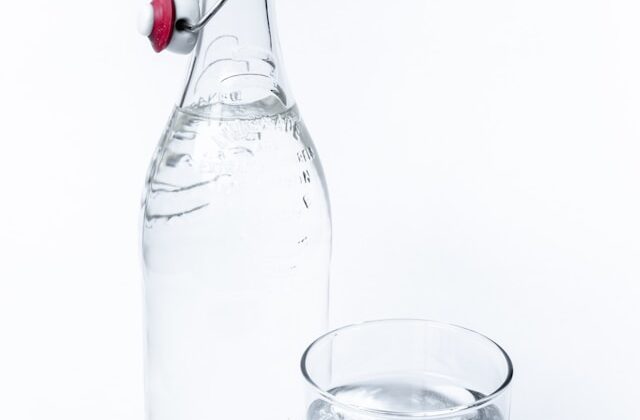

Let me be upfront with you: most people have been buying bottled water for years and still genuinely do not know what makes one bottle different from another.
Is spring water better than mineral water? Is filtered water the same as purified water? And why does one 19-litre jug cost twice as much as the one sitting next to it on the shelf?
These are fair questions. And the answers matter — not just for your wallet, but for your health, your family, and in the case of people in countries like Pakistan where tap water quality is inconsistent, for your daily safety.
This guide covers everything. No filler. Just straight answers.
First — What Even Is Bottled Water?
Bottled water is any drinking water packaged in a sealed container for sale or distribution. Simple enough. But what goes inside that container is where it gets complicated.
The global bottled water market was valued at approximately USD 283 billion in 2023 and is projected to grow past USD 500 billion by 2030, according to data from Grand View Research. That is a staggering amount of water changing hands — which means a staggering number of marketing claims being made about it.
Here is the reality: not all bottled water is the same. Not even close.
The 5 Main Types of Bottled Water (and What Each One Actually Means)
1. Mineral Water
Mineral water comes from a protected underground source and must contain a defined, consistent amount of naturally occurring minerals — things like calcium, magnesium, potassium, bicarbonates, and sulphates.
The defining characteristic is that the mineral content cannot be altered after collection. What comes out of the ground is what goes into the bottle. The minerals are not added — they are naturally present.
Most regulatory frameworks (including WHO standards and Pakistani PSQCA guidelines) require mineral water to:
- Come from a naturally protected source
- Have consistent, measurable mineral composition
- Be bottled at the source
- Contain a minimum Total Dissolved Solids (TDS) level (typically above 250 mg/litre)
Mineral water is generally considered the gold standard for drinking water quality because it retains naturally occurring electrolytes that support hydration, bone health, and metabolic function.
Typical mineral profile of good mineral water:
| Mineral | Healthy Range (mg/litre) | Dew Drops Fresh (mg/litre) |
|---|---|---|
| Calcium | 20–80 | 20 |
| Magnesium | 5–30 | 1 |
| Sodium | 1–20 | 1.3 |
| Potassium | 0.5–5 | 0.4 |
| Bicarbonates | 50–200 | 80 |
| Fluoride | 0–1.5 | 0.01 |
Sources: WHO Guidelines for Drinking-water Quality, 4th Edition | PSQCA Pakistan
2. Spring Water
Spring water is surface water that naturally flows to the earth’s surface from an underground source. The key distinction from mineral water is that spring water may have its mineral content adjusted or filtered before bottling — as long as the source remains the same.
In many countries, “spring water” and “mineral water” are used interchangeably by consumers, but they are legally different. Spring water does not require the same strict mineral consistency standards that mineral water does.
Natural spring water — when genuinely sourced from a protected spring with minimal processing — is excellent drinking water. The issue is that the label “spring water” is sometimes applied loosely, so checking the source and mineral profile matters more than the label alone.
3. Purified/Filtered Water
Purified water has been processed to remove impurities — usually through reverse osmosis (RO), distillation, or ion exchange. The result is very clean water, but it is also largely stripped of minerals.
Many popular brands in Pakistan, including Nestle Pure Life, fall into this category. Nestle Pure Life explicitly labels itself as “purified water” with added minerals, not naturally occurring mineral water.
The concern with purely RO-processed water consumed long-term is the absence of naturally occurring minerals. Some studies, including a 2009 WHO review on low-mineral water, suggest that very low TDS water consumed regularly may not provide the mineral contribution that helps maintain bone density and cardiovascular function.
4. Sparkling Mineral Water
This is mineral water with carbon dioxide (CO₂) added, either naturally occurring or injected. Brands like Perrier, San Pellegrino, and Hildon are well-known international examples.
Sparkling water is perfectly safe to drink. The carbonation does not change the mineral content or make the water acidic enough to harm teeth during normal consumption. It is a matter of personal preference.
5. Distilled Water
Distilled water is boiled until it becomes steam, then condensed back into liquid — removing virtually everything except water molecules. It has a TDS close to zero.
Distilled water is not recommended for daily drinking. It contains no minerals and can actually leach electrolytes from the body over time when consumed exclusively. It is primarily used for industrial, laboratory, and medical equipment purposes.
Bottled Water Brands — A Realistic Look at What’s Actually Out There
International Brands
| Brand | Country | Type | TDS (approx.) |
|---|---|---|---|
| Evian | France | Natural Spring Water | ~309 mg/L |
| Volvic | France | Natural Spring Water | ~130 mg/L |
| Perrier | France | Sparkling Mineral Water | ~475 mg/L |
| San Pellegrino | Italy | Sparkling Mineral Water | ~1,010 mg/L |
| Fiji Water | Fiji | Natural Artesian Water | ~222 mg/L |
| Voss | Norway | Artesian Water | ~44 mg/L |
| Panna | Italy | Natural Mineral Water | ~207 mg/L |
Sources: Brand official websites and Healthline’s water quality database
Pakistan-Based Brands
| Brand | Type | Notes |
|---|---|---|
| Nestle Pure Life | Purified + added minerals | RO processed; not natural mineral water |
| Aquafina | Purified | RO processed; minimal minerals |
| Kinley | Purified | Coca-Cola product; RO processed |
| Dew Drops Fresh | Mineral Water | 19L home/office delivery; naturally balanced minerals; TDS appropriate for daily consumption |
What Does “Best Bottled Water” Actually Mean?
The answer depends on what you are optimising for.
If you want maximum hydration and mineral benefit: Naturally sourced mineral water with calcium 20+ mg/L, magnesium 5+ mg/L, and bicarbonates above 50 mg/L is your target.
If you want the most affordable clean water for daily use: Purified water is cheaper to produce and widely available. For families going through significant volumes (a 19-litre jug every few days), affordability matters.
If you live in Pakistan and want safe, reliable daily water: The combination of clean source + multi-stage filtration + mineral balance is the best you can practically achieve. That rules out raw tap water entirely in most Islamabad and Rawalpindi sectors, and makes locally produced mineral water delivered to your home the most cost-effective safe choice.
Is Bottled Water Safe? The Honest Answer
For the most part, yes — when it comes from a regulated producer.
The risks of bottled water relate mainly to:
- Plastic leaching — Phthalates and BPA can migrate into water from low-quality plastic, especially when bottles are left in heat. Look for BPA-free bottles and avoid leaving bottles in your car in summer.
- Microplastics — A 2018 study by the State University of New York at Fredonia found microplastic particles in 93% of bottled water tested across 11 major brands. While research on long-term health effects is still ongoing, switching to glass or stainless steel reusable containers when possible reduces exposure.
- Counterfeit or unregistered products — In Pakistan especially, always buy from PSQCA-registered producers. Unregistered local brands exist and their water quality cannot be verified.
Frequently Asked Questions About Bottled Water
Q: Is mineral water the same as spring water? Not legally. Mineral water must meet stricter mineral consistency standards. Spring water can be processed more extensively. In practice, good spring water and good mineral water are both excellent — the source and testing practices matter most.
Q: What is the best bottled water for daily drinking? For everyday hydration, naturally sourced mineral water with balanced electrolytes (calcium 20+ mg/L, magnesium 5+ mg/L) is ideal. Avoid distilled water for regular consumption.
Q: How much bottled water should I drink per day? WHO recommends at least 2 litres (8 glasses) per day for adults in temperate climates — more in hot climates like Pakistan summers where 3–4 litres is more appropriate.
Q: Is bottled spring water better than tap water? In countries with reliable water treatment infrastructure, tap water is often as safe as bottled water. In Pakistan, where tap water quality varies widely by area and season, bottled mineral water is the safer daily choice for drinking and cooking.
Q: What is natural spring water? Natural spring water flows naturally to the surface from an underground aquifer. It is minimally processed, often retaining natural minerals, and bottled as close to the source as possible.
Q: Why is bottled water more expensive than tap water? Bottled water prices reflect source protection, multi-stage filtration, quality testing, packaging, and delivery logistics. Premium international brands (Evian, Fiji) charge for brand prestige and import costs on top of these.
Q: Can you drink sparkling mineral water every day? Yes. Sparkling mineral water is safe for daily consumption. The carbonation does not significantly alter the mineral content or harm teeth unless consumed in excessive amounts alongside very acidic foods.
Sources: WHO Guidelines for Drinking-water Quality (4th Ed.) | PSQCA Pakistan | Grand View Research Water Market Report 2023 | Healthline Bottled Water Comparison | State University of New York Microplastics Study 2018 | Nestle Pure Life official label data | Evian, Perrier, San Pellegrino official mineral profiles


Does Drinking Mineral Water Help Weight Loss? The Science and What It Means for Pakistanis
[…] RelatedWhat Is Bottled Water? The Complete Guide to Every Type, Brand & What’s Actually Worth Buy… […]