
Walk into any convenience store, university canteen, or office pantry in Islamabad today and you will find them — brightly coloured cans promising energy, focus, endurance, and performance. Energy drinks have exploded in popularity among Pakistani youth over the past five years, with brands like Sting, Red Bull, Monster, and dozens of local alternatives now part of daily routines for millions of young Pakistanis.
The marketing is compelling. The taste is immediate. And the energy hit — fueled primarily by caffeine and sugar — is real, at least for the first 45 minutes.
But here is the question almost nobody asks while reaching for that can: is this actually hydrating me? Or am I trading real hydration for a temporary artificial boost that makes everything worse by the afternoon?
The answer matters more than most people realise — and it is not what the marketing tells you.
What Is Actually In an Energy Drink?
Let us start with what you are actually consuming when you open an energy drink.
A standard 250ml energy drink (like Sting or Red Bull) typically contains:
- Caffeine: 80 to 150mg (equivalent to 1 to 2 cups of strong coffee)
- Sugar: 26 to 38 grams (approximately 6 to 9 teaspoons — in 250ml)
- Taurine: 1000mg (an amino acid with limited evidence of benefit for the general population)
- B vitamins: Various — in amounts the body cannot use beyond a small threshold and excretes in urine
- Artificial colours and flavourings
- Sodium: Small amounts
- Carbonation: CO2 gas
What energy drinks do not contain:
- Calcium
- Magnesium
- Potassium
- Bicarbonates
- Any meaningful hydrating minerals
The Caffeine Problem — Energy Drinks Are Diuretics
Here is the fundamental contradiction of energy drinks as a hydration choice: caffeine is a diuretic.
A diuretic increases urine production — meaning your kidneys excrete more water than usual. At the caffeine levels present in energy drinks (80 to 150mg per can), the diuretic effect is mild but real.
Drink an energy drink because you feel tired and possibly dehydrated, and you will experience 45 minutes to an hour of improved alertness from the caffeine — followed by increased fluid loss through elevated urination. The net hydration effect is negative. You end the energy drink cycle with less water in your system than you started with.
This creates a dangerous feedback loop that many young Pakistanis experience without connecting the cause: drink an energy drink to combat afternoon fatigue, feel briefly better, then feel more tired and more dehydrated 2 hours later, reach for another can.
The Sugar Crash Is Real and It Is Dehydrating
The 26 to 38 grams of sugar in a standard energy drink causes a rapid spike in blood glucose — which is what produces the immediate feeling of energy. The body responds by releasing insulin to manage this blood sugar spike. Insulin facilitates glucose uptake into cells, causing blood sugar to drop rapidly — often below baseline levels. This is the crash.
High blood sugar levels — even temporarily — also increase urine production as the kidneys work to excrete excess glucose. This is another mechanism by which the sugar content of energy drinks contributes to dehydration rather than hydration.
For young Pakistanis already living with the metabolic effects of a diet high in refined carbohydrates and sugars, the repeated blood sugar spike-crash cycles from daily energy drink consumption adds a significant additional metabolic burden.
What Mineral Water Actually Does for Energy
The promise of energy drinks is energy. But real, sustained energy — as opposed to the 45-minute caffeine spike — comes from optimised cellular function. And cellular function depends entirely on proper hydration and electrolyte balance.
Magnesium and energy production: Magnesium is required for the production of ATP — adenosine triphosphate — which is the actual energy currency of every cell in the human body. Without adequate magnesium, cells cannot produce energy efficiently. This is one reason why magnesium deficiency — very common in Pakistan — manifests as chronic fatigue. Drinking mineral water containing magnesium directly supports the cellular energy production processes that determine how energetic you feel.
Electrolytes and cellular hydration: The energy drink marketing promise of electrolytes is largely unfulfilled. Most energy drinks contain only sodium in meaningful amounts — and sodium without balancing potassium and magnesium creates electrolyte imbalance rather than optimal hydration.
Mineral water provides a balanced electrolyte profile — calcium, magnesium, potassium, sodium, and bicarbonates — that supports true cellular hydration. Properly hydrated cells function better in every way: they produce energy more efficiently, transmit nerve signals faster, and recover from physical and mental exertion more quickly.
The afternoon focus that lasts: The difference between an energy drink afternoon and a well-hydrated afternoon on mineral water is this: the energy drink gives you an hour of artificial alertness followed by a harder crash. Adequate mineral water intake throughout the day gives you consistently better baseline focus and energy that does not crash — because you are addressing the actual cause of afternoon fatigue (mild dehydration) rather than masking it with stimulants.
The Long-Term Health Picture
This is the part of the conversation that energy drink marketing never engages with.
Dental health: The combination of high sugar and high acidity in energy drinks is significantly damaging to tooth enamel. Pakistani dentists report a noticeable increase in enamel erosion and cavity rates among young patients who consume energy drinks regularly — often combined with the erosion from acidic fizzy drinks.
Heart health: The combination of high caffeine and taurine at the concentrations in energy drinks has been linked to elevated heart rate, increased blood pressure, and in rare cases, cardiac arrhythmia. For young Pakistanis with undiagnosed heart conditions — which are more common in South Asian populations than in European ones due to genetic predisposition — this is a genuine risk.
Sleep disruption: The caffeine half-life in the human body is 5 to 6 hours. An energy drink consumed at 4pm means half the caffeine is still active at 10pm. Disrupted sleep is one of the most significant contributors to the fatigue and poor concentration that drives people to reach for more energy drinks — creating a dependency cycle.
Kidney health: High sugar consumption and the resulting chronic mild dehydration from energy drink use is a significant risk factor for kidney health — particularly in Pakistan’s climate where the kidney stone rate is already among the highest in Asia.
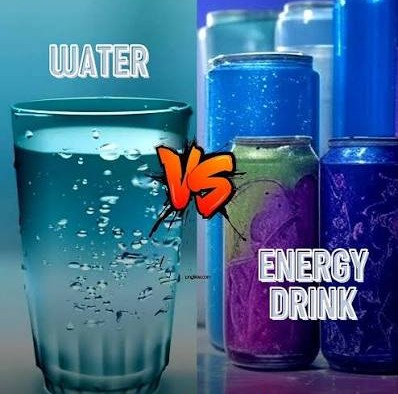
The Simple, Honest Comparison
| Energy drink | Mineral water | |
|---|---|---|
| Immediate effect | 45–60 min energy spike | Gradual sustained energy improvement |
| Hydration | Negative (diuretic effect) | Positive |
| Sugar | 26–38g per can | Zero |
| Beneficial minerals | None meaningful | Calcium, Mg, K, bicarbonates |
| Long-term energy | Worse (crash and dependency) | Better (true cellular energy) |
| Dental health | Damaging | Neutral to beneficial |
| Cost per month (daily habit) | Rs 3,000 to Rs 8,000 | Fraction of this |
| Side effects | Crash, disrupted sleep, heart rate increase | None |
Make the Switch That Actually Works
The energy you are looking for from a can is already available — it just comes from proper hydration, not from caffeine and sugar. Consistent mineral water intake throughout the day addresses the actual cause of afternoon fatigue: mild dehydration and electrolyte depletion.
Dew Drops Fresh delivers pure mineral water free to homes, offices, and universities across Islamabad and Rawalpindi. Give your body what it actually needs.
Order today: WhatsApp: +92 310 556 9289 Email: info@dewdropsfresh.com Website: dewdropsfresh.com