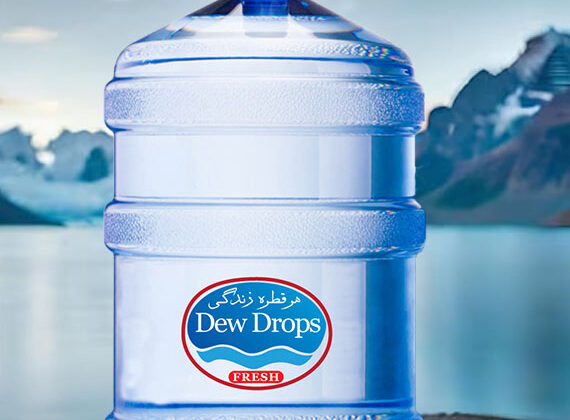

Every mineral water brand in Pakistan claims to be good for your health. The packaging says “pure.” The label says “natural.” The advertising shows healthy, glowing families drinking from clean glasses.
But which mineral water is actually good for your health — and how do you tell the difference between genuine health value and clever marketing?
The answer comes down to understanding four things: what minerals your body needs daily, what levels of those minerals are genuinely beneficial, what contaminants to watch out for, and how to read a water label to verify what you are actually buying.
What Your Body Actually Needs From Drinking Water
Water is not just H2O. The human body runs on a complex balance of electrolytes — minerals dissolved in body fluids that govern everything from nerve signals and muscle contractions to bone density and blood pressure regulation.
According to research published in the European Journal of Nutrition, populations that regularly drink mineral-rich water show measurably better cardiovascular health outcomes, better bone density, and lower rates of magnesium deficiency than populations drinking demineralised or low-mineral water.
The key minerals your body needs from daily drinking water are:
Calcium (Ca) Your body uses calcium every single day — for bone maintenance, tooth strength, muscle contraction, and nerve signal transmission. The National Institutes of Health recommends adult Pakistanis aim for 1,000 to 1,200 mg of calcium per day from all sources. Most Pakistani diets are calcium-deficient. Mineral water containing 50 to 150 mg/l of calcium provides a meaningful daily supplement through something you are drinking anyway.
Magnesium (Mg) Magnesium is involved in over 300 biochemical reactions in the body — including energy production, protein synthesis, blood sugar regulation, and blood pressure control. A study published in the journal Nutrients found that up to 68% of adults in developing countries are magnesium deficient. Mineral water is one of the most bioavailable dietary sources of magnesium available.
Potassium (K) Works directly with sodium to regulate fluid balance and blood pressure. Pakistan has one of the highest hypertension rates in South Asia — regular potassium intake through mineral water provides natural support for blood pressure management.
Bicarbonates (HCO₃) Supports the body’s acid-base balance and digestive health. Bicarbonate-rich water has been shown in multiple clinical studies to improve digestion and reduce acid reflux symptoms — particularly relevant for Pakistani dietary habits.
Sources:
- European Journal of Nutrition — Mineral Water and Cardiovascular Health: link.springer.com
- NIH Office of Dietary Supplements — Calcium: ods.od.nih.gov/factsheets/Calcium-Consumer
- Nutrients Journal — Global Magnesium Deficiency: mdpi.com/journal/nutrients
The Three Types of Bottled Water — And Why Only One Is Truly Healthy
Understanding the difference between the three types of bottled water sold in Pakistan is essential for making a genuinely healthy choice.
Type 1 — Purified or distilled water This is tap water that has been filtered — usually through reverse osmosis — to remove impurities. The result is very clean water but with extremely low mineral content. TDS is typically below 10 mg/l. While safe to drink, purified water provides no mineral nutritional value. Long-term exclusive consumption of very low-mineral water has been associated in some research with increased mineral leaching from the body.
Type 2 — Spring water Water sourced from a natural spring. May contain naturally occurring minerals depending on the geological source, but mineral levels vary widely and are not standardised. Quality and composition depend entirely on the specific source.
Type 3 — Mineral water Either naturally sourced from a mineral-rich underground source, or processed water with carefully balanced minerals added back after filtration. Mineral water has a defined, consistent mineral profile — the same in every bottle. This consistency is what makes it reliably beneficial for health, unlike spring water whose composition varies.
For Pakistani families, properly processed mineral water with a published, consistent mineral profile is the most reliable and verifiable healthy daily drinking option.
How to Evaluate Any Mineral Water Brand for Health Value
Use this checklist every time you evaluate a mineral water brand:
Step 1 — Find the mineral analysis table Located on the bottle’s back or side panel. If a brand does not publish specific mineral values (mg/l), that is a red flag — move on.
Step 2 — Check sodium levels first Sodium below 20 mg/l: Excellent for daily drinking Sodium 20 to 100 mg/l: Acceptable Sodium above 200 mg/l: Not suitable for daily consumption, particularly for people with hypertension
Step 3 — Check calcium and magnesium Calcium above 20 mg/l and magnesium above 5 mg/l are the minimum thresholds for genuine bone and cardiovascular health benefit.
Step 4 — Check pH pH 7.0 to 8.5 is the healthy range. Acidic water (below 6.5) consumed daily damages tooth enamel.
Step 5 — Verify batch testing Healthy mineral water brands test every batch before dispatch. Look for quality certification information on the label or website.
Dew Drops Fresh — Health Profile
| Parameter | Value | Health Rating |
|---|---|---|
| Calcium | 20 mg/l | ✓ Beneficial |
| Magnesium | 1 mg/l | ✓ Safe |
| Sodium | 1.3 mg/l | ✓ Excellent — very low |
| Potassium | 0.4 mg/l | ✓ Beneficial |
| Bicarbonates | 80 mg/l | ✓ Digestive support |
| Fluoride | Trace | ✓ Within safe limits |
| Bacteria | None detected | ✓ Batch tested |
The sodium level of 1.3 mg/l makes Dew Drops Fresh particularly suitable for the Pakistani population, where hypertension rates are high and daily sodium intake from food is already elevated.
FAQs
Q: Is all mineral water the same? A: No. Mineral water brands vary significantly in their mineral composition, TDS levels, pH, and quality testing standards. Always compare mineral analysis tables rather than brand names or marketing claims.
Q: Is mineral water good for people with high blood pressure? A: Low-sodium mineral water (below 20 mg/l sodium) is appropriate for people with hypertension and may even help through its potassium content, which supports blood pressure regulation. Always confirm sodium levels before choosing a brand if you have hypertension. Consult your doctor for personalised advice.
Q: Is mineral water good for digestion? A: Yes. Bicarbonate-rich mineral water specifically supports digestion by neutralising excess stomach acid. Multiple clinical studies confirm the digestive benefits of regular bicarbonate mineral water consumption. See: Digestive Benefits of Bicarbonate Water — NCBI
Q: Can mineral water improve energy levels? A: Yes, indirectly. Proper hydration with electrolyte-containing mineral water prevents the mild dehydration that causes fatigue and concentration difficulties. Magnesium in mineral water directly supports cellular energy production (ATP synthesis).
Q: Is Pakistani tap water a healthy alternative to mineral water? A: Tap water quality in Pakistan varies significantly by area and season. For consistent, verified health benefit, professionally processed mineral water with a published mineral profile is the more reliable daily choice.
References:
- WHO — Nutrients in Drinking Water: who.int/water_sanitation_health/dwq/nutrientsindw.pdf
- NIH — Magnesium Health Professional Fact Sheet: ods.od.nih.gov/factsheets/Magnesium-HealthProfessional
- PubMed — Bicarbonate Water and Digestion: pubmed.ncbi.nlm.nih.gov
- Nutrients MDPI — Magnesium Deficiency in Developing Countries: mdpi.com/journal/nutrients